
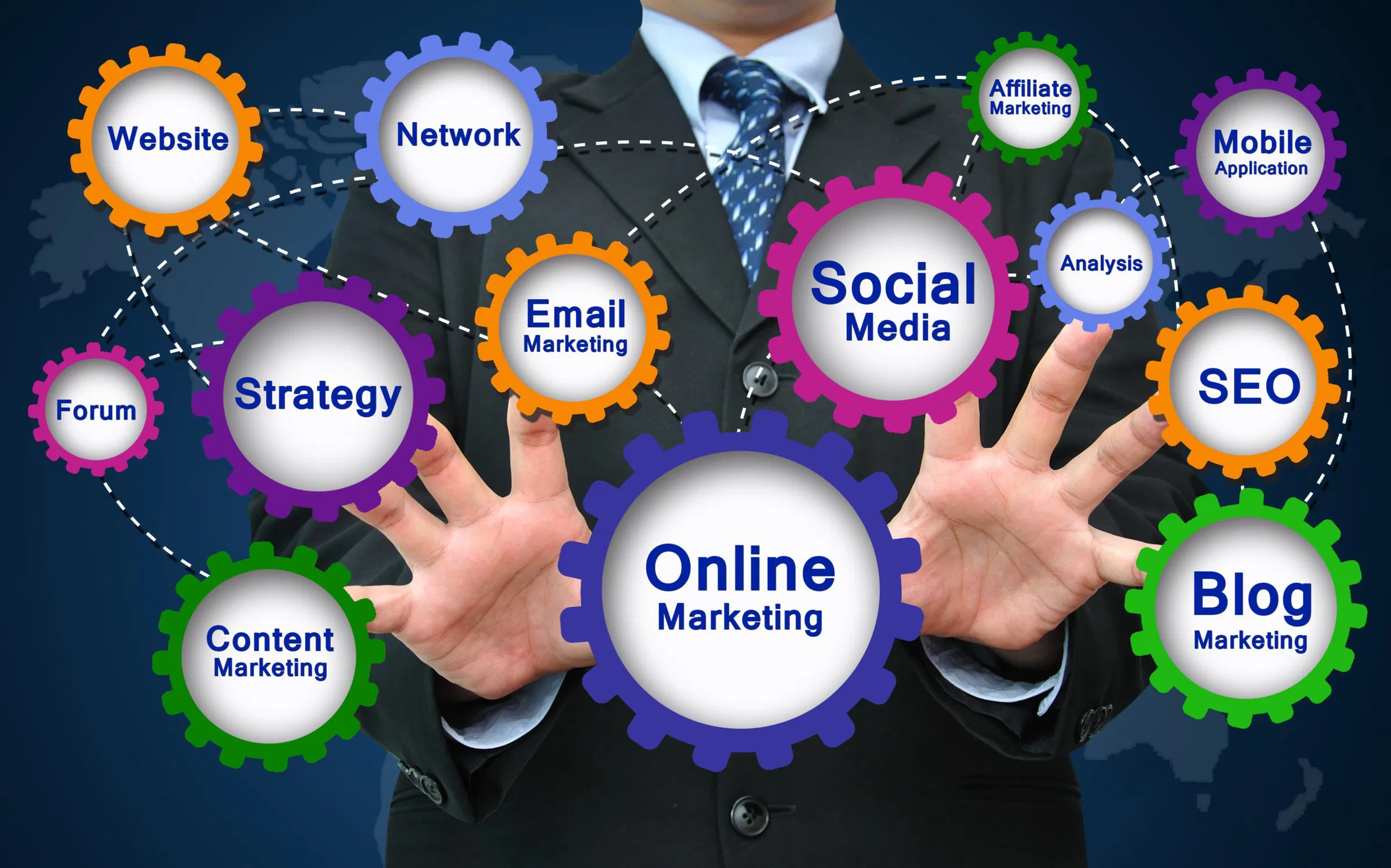
In today’s rapidly evolving digital landscape, businesses are constantly seeking innovative strategies to engage with high-intent customers—those who are not just browsing but are ready to make a purchase or decision. The integration of regional services and artificial intelligence (AI) offers a promising avenue for reaching these valuable consumers more effectively.
At the core of this strategy is the understanding that customer intent varies significantly based on geographic location. Regional services allow businesses to tailor their offerings and marketing efforts to meet the specific needs and preferences of local markets. This localization ensures that potential customers feel understood and valued, increasing the likelihood of conversion. By leveraging data about regional trends, cultural nuances, and consumer behavior patterns, companies can craft personalized experiences that resonate deeply with their target audience.
Artificial intelligence plays a crucial role in enhancing these regional strategies by providing advanced tools for data analysis and customer engagement. AI algorithms can sift through vast amounts of data to identify patterns and insights that might be invisible to human analysts. For instance, machine learning models can predict which products or services will appeal most to customers in a particular region based on historical purchasing behaviors and current market trends.
Moreover, AI-powered chatbots and 타지역서비스 virtual assistants offer real-time interaction capabilities that cater specifically to high-intent customers’ needs. These intelligent systems can answer queries instantly, provide personalized recommendations, and guide users through complex decision-making processes—all while maintaining a conversational tone that mimics human interaction. This level of responsiveness not only enhances user experience but also builds trust between the business and its potential clients.
Another significant advantage of using AI in conjunction with regional services is improved targeting precision in advertising campaigns. Traditional advertising methods often cast too wide a net, leading to wasted resources on uninterested audiences. However, AI-driven platforms enable hyper-targeted marketing by analyzing user data such as search history, social media activity, location information, etc., ensuring ads reach those most likely to convert into paying customers.