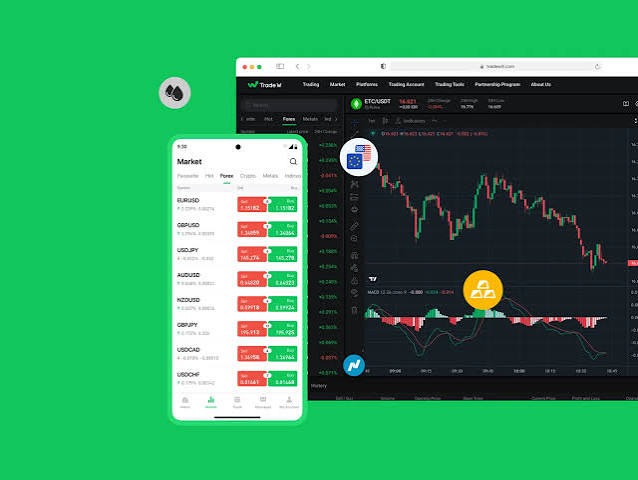
Options connect a trade to the price of a stock or index. Their value may change with price, time and market mood. An options trading app puts quotes, charts and trading tools all on one screen. These tools can help traders to study a plan, but they can not take away the risk of loss.
If you follow shares, a Stock Market App may also provide options tools. Access depends on broker and account setup. Costs, price data and trade status give a clear picture of how a position works. It also explains why price moves alone do not determine returns.
Learn the basic terms
A call gives the buyer the option to buy at a fixed price. A put is the right to sell . This price is called the strike. The buyer pays a premium to enjoy the privilege. Each contract has a termination date on which that right expires.
The buyer of an option can lose all the premium paid. The seller has assumed an obligation and could lose a lot. If you sell an uncovered call, the loss is unlimited. Lot size is the units in a contract. It helps convert a quoted price into the cash value of a trade.
Read live contextual data
An option chain groups calls and puts by strike and expiration. It can show bid and ask prices, volume and open interest. The bid is the price that a buyer is offering. The ask is the price the seller wants. The spread is their difference.
Volume is the number of contracts traded over period. Open interest counts contracts that are left open. Neither tells traders where the prices will go next. A wide spread can raise trade costs. The last traded price may be stale and not the price now available.
Live data needs context too. Look at the time next to a quote and see if the feed is delayed. Updates can be affected by a weak link or a busy system. Past moves are charted, price levels are alerted. Neither guarantees a fill on trade at a selected price.
Explore Plans With Several Legs
A leg is one side of an options strategy. An app could allow traders to group legs and see a payoff chart. This chart assumes gains and losses at fixed prices. It is determined by inputs and whether it shows values at or before expiry.
A bull call spread is when you buy a call and sell a call. Both have the same expiry but the sold call has a higher strike. The maximum loss on a net debit spread held to expiry is the net premium paid (before costs). Even the gain is limited.
Suppose the strikes are spaced 100 points apart. The bought call is 60 points and the sold call is 25 points. Net cost is 35 points. Maximum profit at expiry is 65 points before costs. Multiply these figures by the lot size to determine cash amounts.
A long straddle is buying a call and a put with the same strike and expiry. A big move is needed to offset both premiums at expiry. A put spread + a call spread = an iron condor. It’s a payoff dependent on the price finish. There is still a risk to such plans.
Use the Tools Step by Step
Verify access. Review Broker’s Account Process and Options Section Approval. Read risk terms and fee list before placing order.
Select the contract. Check the stock/index, strike, expiry and lot size. Similar names can lead to different contracts.
Construct the plan. Add each leg with buy or sell side and size Review net cost, funds needed and benefit.
Test the price changes. Modify the inputs for price and time. Delta estimates the sensitivity to prices, shown. Theta measures time decay . Vega measures sensitivity to implied volatility .
Check your order. A limit order sets a maximum price , but it may never be filled . The legs can also be filled at different times leaving a partly built position.
Trade your way. Verify filled quantities, open orders, costs and funds. An order sent is not a trade made. Go to the trading log.
Be aware of costs and limits
Net result is after broking, taxes and exchange costs. Margin requirements may change while a trade is open. Exit prices may differ from estimates and stop orders do not guarantee a fixed loss. Settlement rules also matter so check what happens if a contract is held to expiry.
If there’s a test mode, it can help explain the order flow. It does not copy the stresses and fills of a live trade. Log each leg and its exit location. 2. This makes it easier to compare with what happened later.
Conclusion
One app can bring live quotes and strategy tools into one place. Clear data, sound inputs, careful order checks explain a trade. They do not assure a profit. Knowing each leg, its costs and its risks is still using options tools.
Sources