
Best SIP Investment App for Long-Term Financial Goals
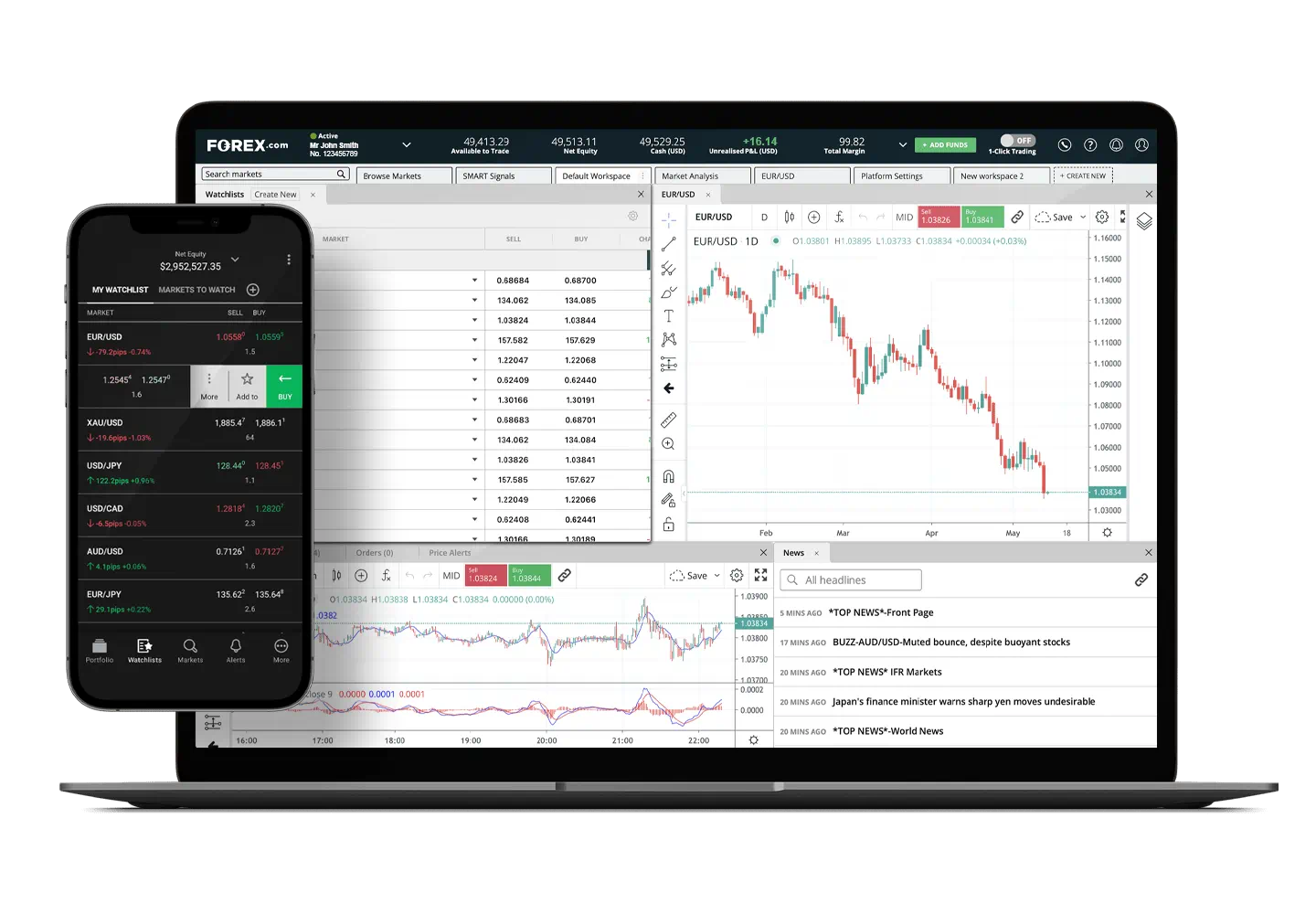
A Systematic Investment Plan (SIP) kind of lets investors put in a fixed amount into a mutual fund regularly. Usually, this is done through digital platforms that handle mutual fund transactions, and yes, the process feels easy enough to manage on your phone.
A SIP Investment App might show scheme details, payment schedules, and investment records in one place. Also, investors can reach Mutual Funds Online through fund houses and other authorised platforms.
Understanding SIP Investments
SIP is a way to invest in mutual funds with a steady pace. Instead of putting all the money at once, you drop in smaller amounts over time, sort of a drip feed, not the same thing as “lump sum,” right? It’s basically that simple rhythm, where you just keep adding, month to month.
The amount, the frequency, and how long you stay in the plan depend on the scheme rules and what the investor asks for.
Each SIP instalment buys mutual fund units using the NAV that’s applicable at that time.
And here is the thing: the worth of those units moves up and down with market conditions; SIP investments do not promise returns, ever.
How a SIP Investment App Works
A SIP Investment App gives digital access to mutual fund services, so you can do many tasks without visiting offices.
Depending on the platform, investors might be able to pick schemes, register the SIP, see payment dates, and check transaction history too.
Some apps even show the current value of mutual fund holdings, which feels helpful, but of course it can change.
What you get as “services” depends on the fund house, or the platform provider itself.
Before registering anything, investors should still read the terms properly, even if it looks like “one click” kind of stuff.
Investing in Mutual Funds Online
Mutual Funds Online lets investors view scheme information and place investment requests through online channels.
Mutual funds pool money from many investors and then invest it based on the stated objective of that scheme.
Typically, the portfolio may include shares, debt securities, and other allowed assets.
Every scheme has its own internal investment rules, and this part should not be skipped.
Investors can check the Scheme Information Document so they can understand the objective, the risks, and the costs.
Setting Financial Goals
Financial goals can be education costs, retirement planning, or a planned purchase down the line.
SEBI also notes that investment decisions should be aligned with your financial goals, how long you plan to invest, and your risk tolerance.
An investor can figure out how much is needed for a goal and what time period is available.
These points can be used when comparing investment options, and not just picked randomly.
Then the chosen mutual fund scheme should be reviewed against the investor’s financial needs, plus risk comfort.
Using an SIP Calculator
An SIP calculator helps estimate what your regular investments might look like in the future.
Most calculators usually ask for the investment amount, investment frequency, expected annual return, and duration.
Then it shows the total investment amount, plus an estimated future value.
SEBI says SIP calculator output is illustrative, meaning it does not show actual returns.
Also, mutual fund returns depend on market conditions, so there’s no certainty.
Understanding Risk and Fund Categories
Understanding risk and fund categories is important because mutual funds can go across a bunch of asset types, and it’s not always the same. Usually, equity funds tend to pour mostly into shares or equity instruments, while debt funds lean toward debt securities, such as bonds.
Each scheme mentions a risk level, and that risk level can vary widely.
SEBI requires schemes to show a Riskometer, which reflects the risk classification.
Investors should go through this information before making the final investment decision, not after.
KYC and Account Registration
Know Your Customer (KYC) verification is basically required if you want to invest in mutual funds.
Investors have to send the needed identity along with some personal info, and yes, that part can take a minute.
A lot of digital platforms can handle e-KYC plus online account registration, so in many cases youdon’tt have to show up in person, or at least not right away.
Also, bank account details are needed, mostly for SIP processing, and the related money movement too.
Now the exact how-to steps depend on the service provider. It also depends on what rules apply in your situation, so don’t assume every app does it the same way.
Monitoring SIP Investments
Once your SIP is running, you can monitor SIP payments using transaction statements and your account records.
Mutual fund statements typically include the units that got allotted, the transaction dates, and the overall investment specifics.
The current value of your holdings usually connects to the NAV that applies at the time, so it moves with the fund.
Account records help you verify which transactions are already completed, plus it makes it easier to keep an eye on your holdings without guessing.
Conclusion
A SIP Investment App can give you a kind of digital access for ongoing mutual fund investing, and it can also keep your account statements and transaction history in one place.
Mutual Funds Online also lets you view scheme details and manage investment requests online.
Before you invest, you should review the scheme objectives, risk level, any charges, and the account-related requirements.
And remember, returns from an SIP are still tied to market conditions, so nothing is truly guaranteed, even if the plan looks steady.